
Top Tips: What to Say in Your AI Receptionist Script for Best Results
(Essential Scripting Strategies for Seamless Customer Interactions)
Explore this post with your favourite AI tool:


Share this article with AI tools to summarise, remember, or explore the content further.

Wondering what to say in your AI receptionist script for seamless customer interactions? This guide covers essential scripting tips that ensure your AI receptionist greets callers warmly, handles inquiries efficiently, and schedules appointments effortlessly.
Key Takeaways
- Implementing AI receptionist scripts boosts efficiency by providing 24/7 service, reducing missed calls and improving customer interaction.
- Crafting welcoming and personalised prompts enhances customer engagement and satisfaction, leading to a more positive business image.
- Regular testing and refinement of AI scripts based on feedback ensure reliable service and allow businesses to adapt to customer needs effectively.
Understanding AI Receptionist Scripts
An AI receptionist script is your ticket to a more efficient and responsive business operation. Designed to provide 24/7 service, these scripts ensure that no customer inquiry goes unanswered. Imagine the relief of knowing your business can handle multiple calls simultaneously, especially during peak hours. This capability is a game-changer for tradespeople and service-based businesses, where missing a call often means losing a job.
When selecting an AI platform for your receptionist needs, consider the complexity of your requirements and the platform's features. Cost savings by eliminating the need for additional human staff and reduction of missed calls improve office workflow through automated call answering and appointment scheduling.

Integration with existing business tools streamlines processes and enhances operational efficiency. Crafting natural and friendly voice prompts is key to maximising an AI receptionist's performance. Advanced natural language processing enables AI voice receptionists to sound conversational and approachable, making customer interactions more pleasant. Whether it's in call centers or small businesses, an AI receptionist can adapt to changes in call volume without extra training or costs, making it an efficient solution.
Crafting Effective Greeting Callers Prompts
Creating a welcoming atmosphere right from the first greeting can significantly impact customer satisfaction and engagement. Short, clear greetings that guide callers immediately are essential. For instance, a prompt like, "Thank you for calling [Business Name]. How can we assist you today?" sets a positive tone and directs the caller towards their needs.
Example Prompt:
"Welcome to [Business Name]. Are you calling for repairs, cleaning, emergency help, or an estimate?"
Ensure the message matches your brand's desired tone. If you run a home service business, your AI voice receptionist prompt might categorise caller intent efficiently, enhancing your professional impression and professional image.
Greeting prompts that make callers feel heard and valued enhance customer engagement from the outset. Whether in routine calls or customer interactions, crafting these prompt examples to greet callers with an upbeat tone ensures a smooth transition into customer calls and the next part of the conversation. Use prompt engineering to design voice prompts that are both welcoming and informative, ensuring that callers feel comfortable and guided throughout their interaction with your virtual receptionist.
Handling Routine Inquiries
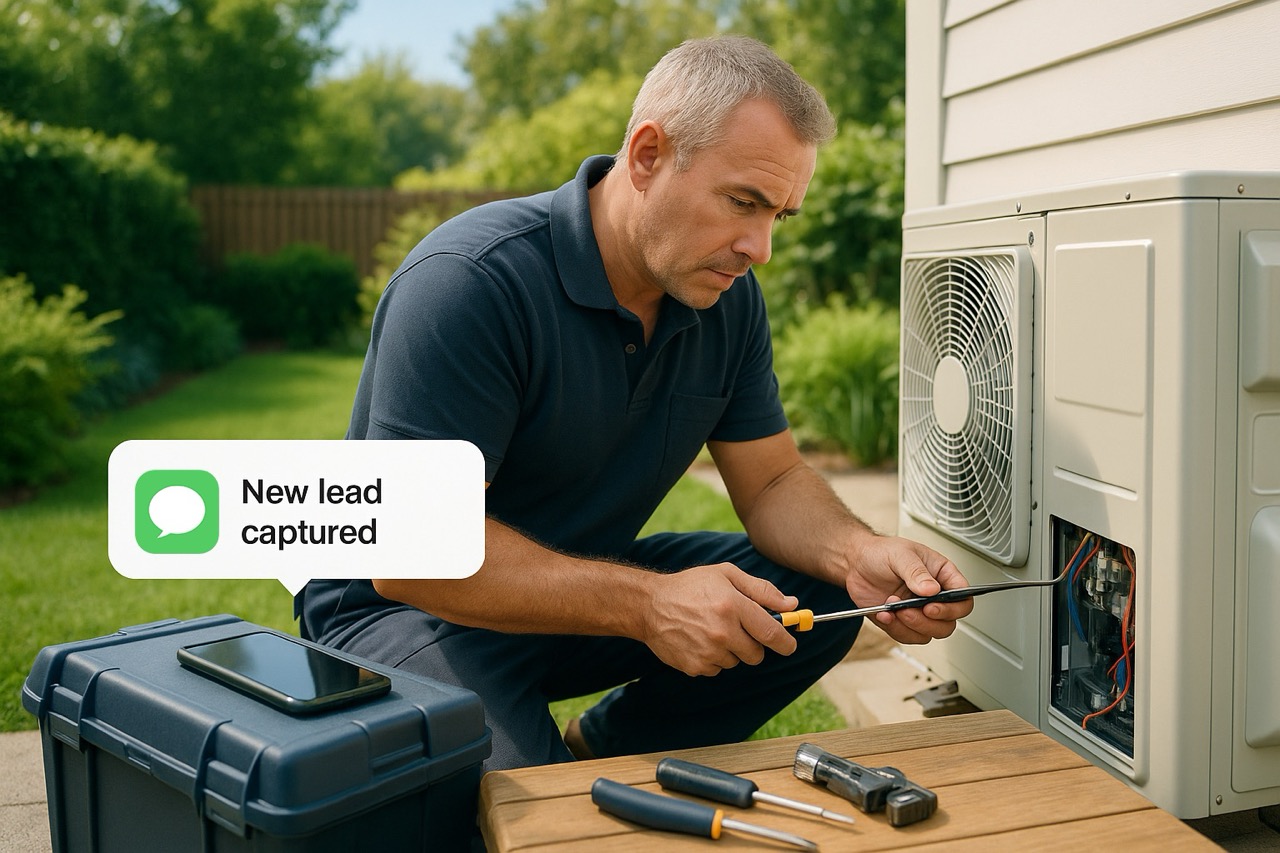
Routine inquiries can take up a significant portion of your time, but with AI receptionist prompts, handling these calls becomes a breeze. Designed to respond quickly, clearly, and confidently, AI receptionists can manage routine calls without breaking a sweat. This efficiency is especially beneficial in call centers where high call volumes are the norm.
Using natural speech in responses helps maintain a conversational tone, avoiding the robotic interaction style that can frustrate customers. For instance, when a caller asks about business hours, the AI should state the days of operation and specific hours, noting any emergency services available. This not only informs the customer but also sets clear expectations.
Inquiries regarding pricing should be handled by providing starting prices for various packages and offering a free consultation for more personalised quotes. This approach ensures that customers receive timely, accurate information without overwhelming them with details. Efficiently routing calls to the right department and following up as needed significantly improves the overall customer experience for small business clients.
Scheduling Appointments Efficiently
Scheduling appointments can be a time-consuming task, but AI receptionists make it effortless. Always start by asking for the caller's preferred days/times, access instructions, and the urgency of their request. This ensures that you capture all necessary details right from the beginning.
Best Practices for Appointment Scheduling:
- Ask for caller's preferred days and times upfront
- Confirm essential details: service type, time, and provider name
- Use AI scheduling tools to send booking links and sync with calendars
- Handle last-minute changes efficiently
- Provide confirmation at the end of the call
Confirm essential key details such as service type, time, and provider name before finalising any booking on your preferred date. This avoids misunderstandings and ensures a smooth scheduling process. AI scheduling tools can further enhance this experience by sending booking links, syncing with calendars, and handling last-minute changes to save time.
Scheduling prompts should be short and clear instructions, guiding callers step by step. Offering specific choices and providing confirmation at the end of the call not only saves time for your team but also provides customers with 24/7 access to schedule appointments. Suggest booking an appointment when a caller indicates readiness to seamlessly transition from inquiry to action.
Answering FAQs
AI receptionists excel at automating repetitive tasks, efficiently managing inquiries related to business hours, services, pricing, and basic troubleshooting. By anticipating common customer inquiries, these systems can provide quick and accurate responses, significantly improving the overall AI receptionist's customer experience and enhancing the role of the AI front desk.
Natural language processing enables AI receptionists to interpret casual language and respond in a way that feels personal and engaging. When a caller asks about pricing, the AI can provide a brief overview and offer to send detailed information via text or email. This approach ensures that customers receive consistent and accurate information, minimising the chances of misinformation.

Rigorous testing of AI communication enhances satisfaction and builds trust with customers. Clear escalation pathways in scripts ensure complex queries are smoothly transferred to human representatives, meeting all customer needs efficiently. This structured approach to answering FAQs can alleviate the pressure on human staff, allowing them to focus on more complex tasks.
Managing After-Hours Messages
After-hours messages are crucial for maintaining professionalism when your business is closed. These messages should be clear, friendly, and helpful to avoid customer frustration. A proper after-hours message includes the business name, a brief status update (open/closed), and next steps for the caller.
Essential Components:
- Business name and current status
- Normal operating hours
- Emergency contact information (if applicable)
- Expected response time
- Alternative contact methods
Regularly updating your voicemail message ensures that the information remains accurate and showcases your attentiveness to customer needs. Informing customers about holiday schedules well in advance helps manage their expectations regarding availability. Systems like ARROW can automate these messages, ensuring you never miss a call even after hours.
Emergency Contact Instructions

In emergencies, timing is everything. AI receptionists should be programmed to recognise phrases related to emergencies, ensuring that urgent calls are prioritised. They need to quickly identify the situation when a caller expresses distress and facilitate immediate assistance.
Clear protocols are essential for handling calls that indicate urgency or emergencies. The AI receptionist should provide reassurance to the caller, effectively escalate the call to the appropriate personnel, and quickly connect callers with emergency services to ensure timely responses in critical situations.
Collecting Customer Feedback
Collecting customer feedback is vital for improving service quality and to improve customer satisfaction. Gather feedback effectively by asking customers to follow up by rating their experience immediately after service completion. Timing is crucial; collecting feedback right after resolving an issue leads to more accurate and immediate responses.
Feedback Collection Tips:
- Request feedback immediately after service completion
- Provide multiple feedback options (rating numbers, voice messages)
- Express gratitude to encourage participation
- Keep feedback requests brief and simple
- Act on patterns identified in customer responses
Providing multiple feedback options, such as pressing numbers or leaving a voice message, encourages participation. Expressing gratitude in feedback requests can enhance the likelihood of customer responses, making customers feel valued. Understanding patterns in customer preferences feedback helps identify areas for service improvement and refine AI interactions to meet evolving expectations.
Transferring Calls Smoothly
Smooth call transfers are essential for maintaining customer satisfaction. AI phone answering systems can intelligently route calls based on the intent of inquiries, improving the efficiency of customer interactions. Quick connections to the appropriate team members enhance the overall customer experience.
Collecting key information before transferring service calls helps avoid the need for customers to repeat their issues. Structured call transfer scripts guide AI receptionists in how to handle calls effectively, ensuring that customers are directed to the right department based on their needs and connected with an appropriate team member when caller requests are made.
Providing estimated wait times during transfers sets proper expectations for callers and enhances their experience, saving time.

Personalised Welcome Messages
Personalisation in scripting can significantly enhance customer engagement. Using the caller's name and other dynamic tokens from CRM or calendar data adds a personal touch to the conversation. Tools such as Calendly, GoHighLevel, and SynthFlow can facilitate this personalisation.
Maintaining a consistent brand's voice is crucial, and tools that enable voice cloning can achieve this. Incorporating personalisation into your welcome messages makes callers feel recognised and valued, enhancing their overall experience with your business and reflecting the brand's personality to the right person.
Multilingual Support Prompts

AI tools can handle multiple languages without requiring separate recordings, making it easier to cater to a diverse customer base. Basic setups typically include 2-3 languages with predefined responses, while more comprehensive packages can include multi language support for international customers.
Greeting prompts should reflect your unique brand personality and include business hours and next steps to enhance clarity and set expectations for callers. Keeping an eye on call logs can help identify the most frequently requested languages, allowing you to tailor your multilingual support accordingly.
Real-World Scenarios from Trades
Sharing real-world scenarios from trades helps illustrate the practical benefits of using AI receptionist scripts. For instance, plumbers, electricians, and roofers can significantly improve customer interactions by providing quick and accurate responses. Implementing AI receptionist scripts can enhance business efficiency and customer satisfaction, making it easier to manage high call volumes and routine inquiries.
Plumbers
Handle emergency calls, schedule appointments, and provide pricing estimates while on-site.
Electricians
Manage safety-critical calls, coordinate multiple job sites, and provide 24/7 availability.
Roofers
Capture leads during busy seasons, schedule inspections, and qualify emergency repairs.
These scenarios demonstrate the script's potential to streamline operations and reduce the burden on human agents. Whether it's scheduling appointments or handling emergency calls, AI receptionists can provide reliable and consistent service, ensuring that no customer inquiry goes unanswered.
Overcoming Common Concerns
Address common concerns about AI receptionists by highlighting flexibility and customisation options. Businesses can tailor AI receptionists to meet specific needs, ensuring better control over interactions and maintaining personalised service without sacrificing quality.
Advanced technologies used by AI receptionists provide reliable and consistent service, alleviating concerns about impersonal interactions. Solutions like ARROW are cost-effective, offering a cheaper alternative to staffing receptionists while still delivering quality service.

Testing and Refining Your Script
Structuring and testing AI receptionist prompts is crucial for delivering a consistent and scalable caller experience. Before going live, it's essential to run full test calls to identify potential issues and ensure the prompts are effective.
Testing Process:
- Run comprehensive test calls before launch
- Review call recordings and transcripts
- Monitor call logs for patterns and issues
- Update prompts based on feedback
- Continuously refine based on real-world usage
Prompt updates should be based on call logs or feedback to enhance service quality. The process includes reviewing call recordings and transcripts, refining prompts based on the review, reducing the chances of dropped calls, and ensuring the AI meets caller needs accurately.
Summary
In summary, AI receptionist scripts offer a powerful tool for enhancing business efficiency and customer satisfaction. From crafting effective greeting prompts to handling routine inquiries and scheduling appointments, these scripts can transform your customer interactions. By leveraging advanced natural language processing and personalisation, AI receptionists can provide a seamless and engaging experience for callers.
Incorporate these tips into your AI receptionist scripts to ensure you deliver a professional impression and exceptional customer service at all times. Embrace the power of AI to never miss a job opportunity again and focus on what you do best - running your business.
Frequently Asked Questions
Ready to Optimise Your AI Receptionist Script?
Start implementing these proven scripting strategies today and transform how your business handles customer calls. Never miss an opportunity again.

Ben Milsom is the Founder and Director of ARROW, with more than a decade of experience in digital marketing and customer service. A certified Google Partner and best-selling author on phone-first marketing and AI voice technology, he specialises in AI automation, marketing, and the psychology of sales. Through ARROW, he helps service businesses answer every call with AI Receptionists that capture leads and give owners peace of mind.